
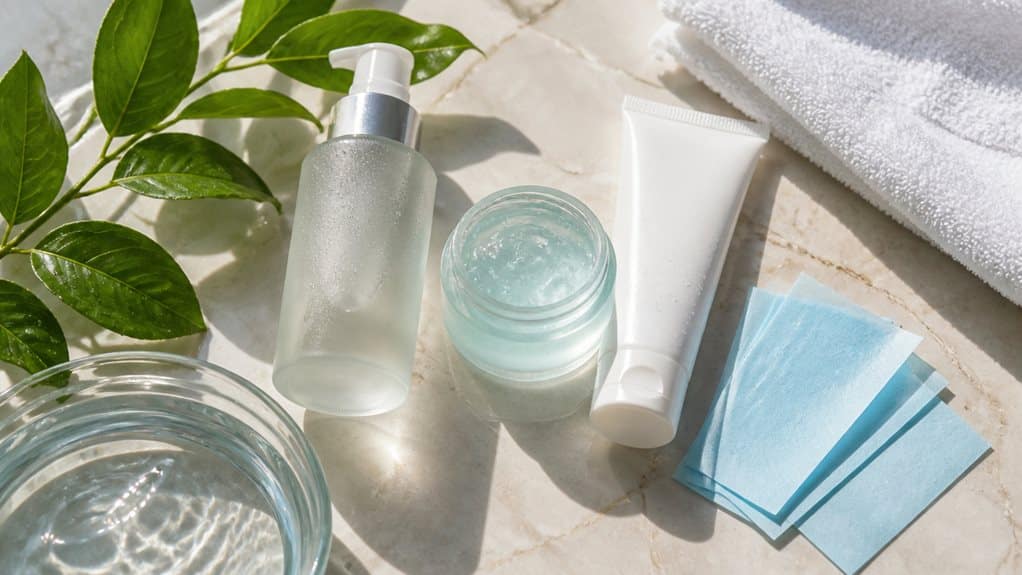
Summer heat increases oil production by about 10% per degree, so your skin needs balance, not stripping. Wash twice daily with a gentle low-pH gel cleanser like CeraVe Foaming Facial Cleanser, since harsh soaps trigger more oil. Apply a niacinamide serum (2–5%) to control oil, then layer a lightweight gel moisturizer under oil-free SPF 30+. Midday, press blotting papers on your T-zone—you don’t need to rewash. The steps below break down each product choice.
At a Glance
- Cleanse twice daily with a gentle low-pH gel or foaming cleanser; avoid harsh soaps and overwashing, which trigger rebound oil production.
- Hydrate with lightweight humectants like hyaluronic acid or glycerin on damp skin, then seal with a non-comedogenic gel moisturizer.
- Use niacinamide (2–5%) to regulate sebum and salicylic acid (0.5–2%) to keep pores clear without stripping the barrier.
- Apply oil-free, matte-finish broad-spectrum SPF 30+ every morning; reapply every 2–3 hours during sun exposure or heavy sweating.
- Control midday shine with blotting papers (press, don’t rub) and light translucent powder on the T-zone instead of extra washing.
Introduction
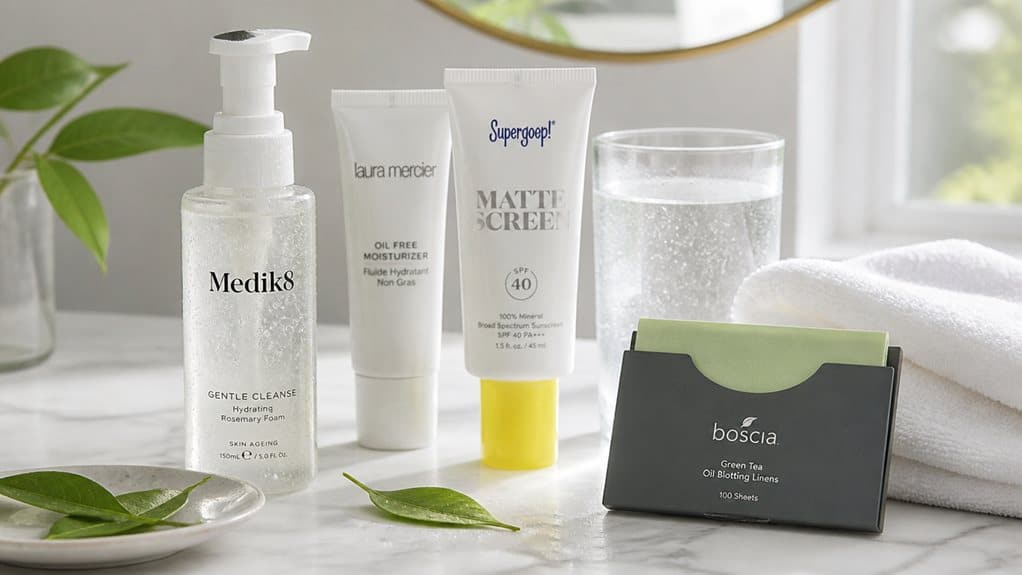
When summer heat and humidity climb, oily skin often goes from a minor annoyance to a daily challenge, with shine building by midday and makeup breaking down before lunch. Your goal with summer skin care for oily skin is balance: remove excess oil, protect the barrier, and keep pores clear without stripping.
Cleanse up to twice daily and after sweating with a gentle oil-free gel cleanser; harsh foams can trigger irritation and rebound grease. Choose a gel moisturizer oily skin formula that’s water-based and noncomedogenic, meaning it’s less likely to clog pores. Hyaluronic acid delivers lightweight, less occlusive hydration that won’t leave skin feeling greasy in the heat. Niacinamide can support oil control, while salicylic acid helps keep pores clear. To reduce facial shine, press blotting papers on the T-zone, then use oil-free broad-spectrum sunscreen and lighter base makeup daily.
Why oily skin may feel more noticeable in summer
Summer doesn’t just make you sweat more — it actually changes how your skin behaves. Heat activates your sebaceous glands, and Avène reports that one extra degree of temperature can increase sebum production by about 10%. Warmer sebum flows more easily to the surface, so your shine appears faster and looks stronger.
Sun exposure and dry air also pull water and vital lipids from your skin, leaving it dehydrated underneath. Your body may compensate by producing even more oil, so you’re left feeling greasy and tight all at once. Constant shifts between air-conditioned interiors and sweltering outdoor heat subject your skin to thermal shock, further disrupting its balance.
Sweat, humidity, makeup, and layers of sunscreen for oily skin mix into a shiny surface film that feels heavier than it really is. Heat dilates pores, making blackheads more visible.
Adjust your oily skin summer routine accordingly.
A simple morning routine
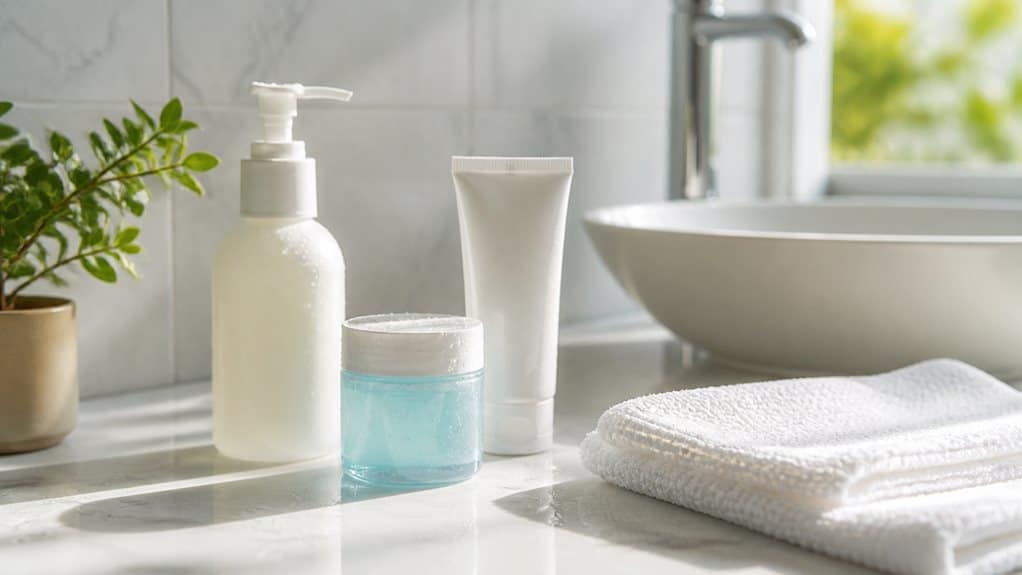
Start your morning with a gentle, low-pH gel cleanser that removes overnight oil without stripping your skin’s protective barrier—harsh soaps can trigger more oil production, so lukewarm water and a mild formula work best.
Next, layer a lightweight hydrating serum (niacinamide is a smart choice for oily skin because it helps balance oil while supporting hydration), then seal it in with a gel moisturizer that absorbs fast and won’t feel heavy in summer heat.
Finish with a non-greasy sunscreen, ideally a lightweight fluid or gel formula with SPF 30 or higher, applied generously as your last step before makeup or heading outside. Whatever products you choose, look for ones labeled oil-free and non-comedogenic, which the American Academy of Dermatology recommends to help reduce clogged pores and breakouts.
Gentle cleanser
Although your skin mightn’t look dirty when you wake up, it’s spent the night producing oil, shedding dead skin cells, and picking up sweat and residue from your pillowcase. A quick morning cleanse removes that buildup without stripping your barrier.
Choose a gentle, gel-based or foaming cleanser labeled oil-free and non-comedogenic. A low-pH formula helps protect your acid mantle, the skin’s natural protective layer. Harsh formulas strip vital lipids, so save strong treatments for targeted routines. Look for formulas containing niacinamide and hyaluronic acid, which help lock in moisture while preserving the skin’s protective barrier.
- Wet your face with lukewarm water initially; skip hot water, which can irritate.
- Massage a small amount in circular motions for 30 to 60 seconds.
- Rinse well and pat dry with a clean towel.
Your skin should feel soft, calm, and comfortable afterward, never tight or squeaky.
Lightweight hydrating serum
Reach for a lightweight hydrating serum right after cleansing, while your skin is still slightly damp and primed to absorb it.
Choose water-based, oil-free textures like gel, ampoule, or watery essence; they’ll sink in fast and leave less shine. Look for hyaluronic acid or glycerin for water without heaviness, and niacinamide if you’d like help with the look of pores and midday oil. If you’re prone to blemishes, a lightweight clarifying serum can also help calm redness and reduce breakouts without extra weight.
Pat a small amount over your face and neck; if you use toner or multiple serums, go thinnest initially.
Skip balms, rich plant oils, and heavy occlusives, which can sit on the surface.
For shopping, filter for “oil-free” and “non-comedogenic,” then pick the simplest non-sticky formula that layers cleanly under sunscreen and makeup.
A cheaper formula can be enough for daytime.
Gel moisturizer
Lock in your serum with a gel moisturizer, a water-based formula that hydrates without the heavy, greasy residue richer creams can leave behind. Even oily complexions can become dehydrated, since high sebum levels often coexist with low water content in the skin.
Gel textures absorb fast, so you won’t wait long before your next step, and they sit smoothly under makeup. Picture three options:
- A lightweight gel-cream with hyaluronic acid and glycerin, humectants that draw water into your skin.
- An oil-free, non-comedogenic gel with ceramides or niacinamide to support your barrier and help manage shine.
- A matte-finish formula for humid days when you want oil absorption that lasts.
Look for balanced hydration, meaning skin feels neither too oily nor too dry. If money’s tight, a basic drugstore gel works fine; splurge only if you want added soothing ingredients for post-workout relief and comfort.
Non-greasy sunscreen
How do you shield your skin from summer sun without bringing back the shine you just washed away? Choose a non-greasy sunscreen that’s oil-free, non-comedogenic, and broad-spectrum with SPF 30 or higher. Broad-spectrum means it blocks both UVA and UVB rays.
Look for lightweight gels or thin lotions labeled “matte finish.” Mineral formulas with zinc oxide or titanium dioxide often feel less slick, and ingredients like silica, niacinamide, or dimethicone help absorb oil. Skip heavy add-ins like coconut oil, cocoa butter, or petrolatum. If your skin’s acne-prone or sensitive, pick fragrance-free.
Apply it as your last skincare step, before makeup, using enough to cover your face, eyelids, and behind your ears. Spread gently, apply 15 minutes before sun exposure, and reapply after heavy sweating. When you’re in the sun, reapply every two to three hours.
A simple evening routine
Once the day winds down, your evening routine does the heavy lifting for oily summer skin. Start by removing every trace of makeup and sunscreen, since residue can clog pores overnight.
Waterproof formulas usually need micellar water or a cleansing balm first, followed by a gentle cleanser with lukewarm water.
- Initially double cleanse on SPF or makeup days, massaging an oil-based cleanser onto dry skin before rinsing.
- Sweep on an alcohol-free toner if you like, though it’s optional, not required.
- Apply your treatment step, like a serum or retinol, before moisturizing. If you use both, skip retinol on nights you apply exfoliating acids to minimize irritation and dryness.
Finish with a lightweight, oil-free gel moisturizer instead of a rich cream. This supports your skin barrier overnight without heaviness, so you won’t wake up feeling tight, greasy, or stripped of moisture at all.
Ingredients worth considering
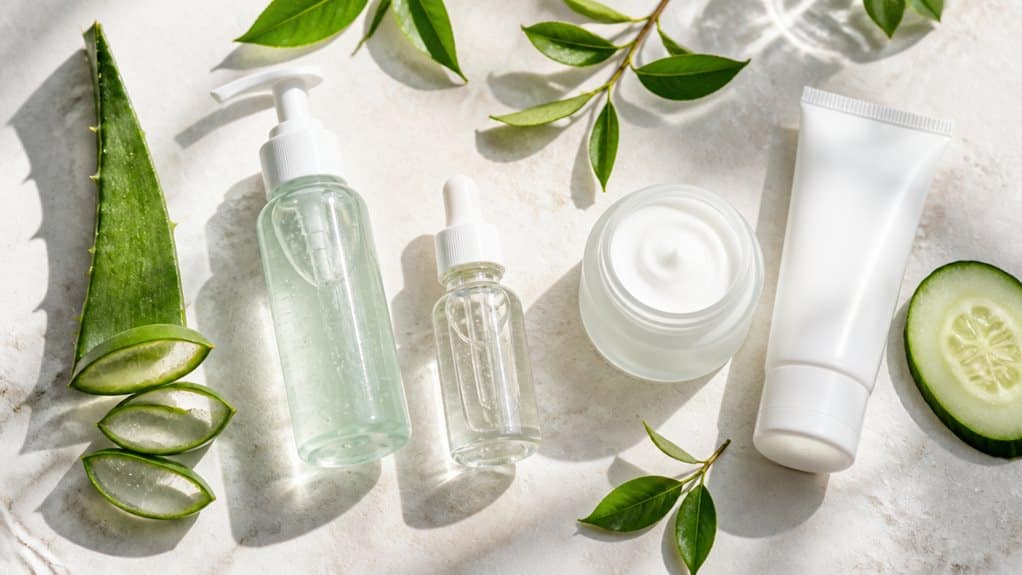
When you’re scanning labels for summer products, a few ingredients do most of the heavy lifting for oily skin. Niacinamide, a form of vitamin B3, helps regulate oil production and soften the look of pores over time, while humectants like glycerin and hyaluronic acid pull water into your skin so it stays hydrated without a greasy film.
Salicylic acid, an oil-soluble exfoliant that clears inside the pore, can tackle blackheads and breakouts, but you’ll want to use it carefully, since overdoing it can leave skin dry or irritated. Stripping the skin can backfire, too, because dehydration may trigger compensatory oil production that brings shine right back.
Niacinamide
Balance is the real goal with oily skin, and that’s exactly where niacinamide fits into a summer routine. This form of vitamin B3 helps regulate excess sebum rather than stripping it, so your skin looks less shiny without feeling tight. Research shows 2% to 5% concentrations work well, especially for oily skin types.
- Less midday shine — studies link regular use to reduced oil production within two to four weeks.
- Smaller-looking pores, because lower oil output means less congestion and fewer clogged pores.
- Calmer skin, since its anti-inflammatory action soothes redness from breakouts or stronger actives like retinol.
You’ll also get barrier support, which helps lock moisture in and keep irritants out. Over time, it can even help fade hyperpigmentation, so post-breakout marks and uneven tone become less noticeable. Pick a lightweight serum near 5%; basic formulas work fine for shine control.
Humectants
Every gel moisturizer and lightweight sunscreen worth your money relies on humectants, ingredients that pull water into your skin and hold it there. Glycerin is your frontline pick: it’s lightweight, non-greasy, and stays effective even in dry, air-conditioned rooms where other humectants falter.
Hyaluronic acid and its salt form, sodium hyaluronate, hydrate without grease and leave skin looking smoother, which helps makeup sit better. Pair them with glycerin for steadier results. Panthenol adds soothing comfort if your skin dislikes heavy creams, while propanediol keeps textures weightless and easy to spread.
Aloe vera soothes and hydrates shine-prone skin, and polyglutamic acid enhances water retention alongside hyaluronic acid. When you’re comparing labels, prioritize proven, low-grease humectants over trendy newcomers. Newer options like acetamidoethoxyethanol need more study.
Salicylic acid used carefully
Humectants handle the water side of oily skin care, but they can’t clear out the sebum and dead cells clogging your pores. That’s where salicylic acid fits: it’s oil-soluble, so it can slip into pores, loosen buildup, and help blackheads look less obvious. Used well, it can soften rough texture and reduce midday shine before makeup or selfies.
- Choose a gentle cleanser or 0.5–2% leave-on for your T-zone.
- Start once daily, then adjust only if your skin stays comfortable.
- Spot-treat cheeks if they feel tight, and keep moisturizer plus sunscreen.
Skip layering it with multiple strong acne actives; stripping your barrier can trigger more oil-looking shine, so if stinging lasts, scale back and choose a cheaper fragrance-free formula for summer routines.
How to control shine during the day

When midday shine shows up on your forehead, nose, and chin, you don’t need to start your whole routine over. Press a blotting paper against oily spots instead of rubbing, add a light dusting of translucent powder if you want extra mattifying, and resist washing your face again, since cleansing more than twice a day can strip moisture and trigger rebound oiliness.
These quick touch-ups keep you looking fresh in selfies and video calls without disturbing your makeup or irritating your skin.
Blotting paper
By midday, oily skin often develops a noticeable shine across the T-zone, and blotting papers offer one of the quickest fixes. These thin sheets absorb surface oil without adding layers of product, leaving a more matte finish. You can use them before or after makeup, making them a flexible touch-up tool.
- Press, don’t rub: dab each sheet gently onto shiny areas, then lift away so you don’t smudge foundation.
- Target the oiliest zones first, usually your forehead, nose, and chin, and grab a second sheet if needed.
- Choose natural fibers like bamboo, rice, or hemp, especially if you’re acne-prone or wear full-coverage makeup.
Blotting is a temporary spot fix, not an oil-control cure, so limit yourself to a few touch-ups daily.
Light powder
Often, blotting alone won’t hold shine back for long, and that’s where a light powder earns its place in your summer routine. Choose a light, finely milled formula, since dense, cakey textures build up fast on oily skin. Pressed powders suit midday touch-ups because they’re portable, while loose ultra-matte versions give the strongest shine control at home.
Placement matters more than quantity. Press powder only into your T-zone or wherever oil shows first, rather than sweeping it across your whole face. This keeps drier areas comfortable and avoids a flat, heavy look.
If pores and texture concern you, try a blurring powder. Look for matte or sebum-controlling claims, and ingredients like zinc oxide. Skip glowy formulas; they need frequent reapplication on very oily skin.
Avoiding repeated washing
Although it seems logical to wash away shine the moment it appears, cleansing your face more than twice a day usually works against you. Over-cleansing can strip your barrier, so skin feels tight yet still turns shiny by lunch. Stick to twice daily, plus after sweating, using a gentle foaming gel, lukewarm water, and a soft pat-dry.
- Press blotting paper on the T-zone for seconds; don’t rub, or you’ll spread oil and makeup.
- Keep hands off your face; if you must touch skin, wash first to avoid moving sebum.
- Choose oil-free, noncomedogenic layers—matte moisturizer, mineral sunscreen, maybe salicylic wipes—so midday shine fades without another wash.
Skip alcohol-heavy cleansers and gritty scrubs; they irritate, invite rebound dryness, and make selfies look flatter.
Amazon product recommendations
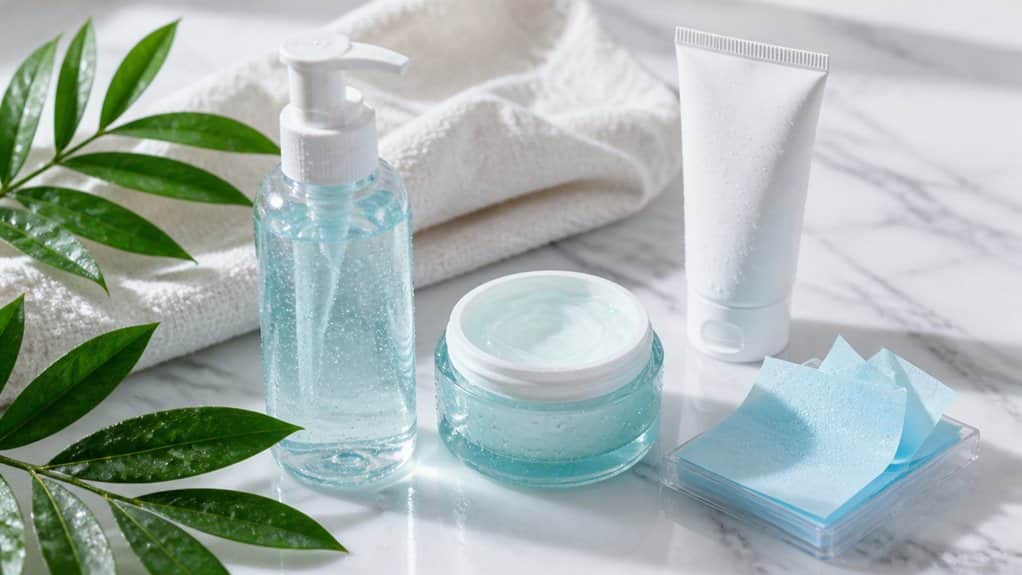
Shopping for oily-skin products on Amazon can feel endless, so it’s worth narrowing the field with a few practical cues before you add anything to your cart. Look for fragrance-free, oil-free formulas that promise shine control without stripping moisture.
For a daily wash, CeraVe Foaming Facial Cleanser pairs ceramides and hyaluronic acid for barrier support, while La Roche-Posay Toleriane Purifying Foaming Cleanser suits sensitive skin; both rank as Amazon best sellers.
Beyond cleansing, consider a niacinamide serum for oil balance, a gel moisturizer for lightweight hydration, a non-greasy sunscreen, and blotting papers for midday touch-ups. Remember, best-seller placement signals popularity, not proven results, so don’t let rankings outweigh ingredients and texture. A cheaper option often works well if it meets these same basic criteria.
Frequently asked questions
If you’ve ever wondered whether you really need moisturizer when your face already feels greasy by noon, you’re not alone. Skipping it can backfire, since dehydrated skin often produces even more oil. Choose a lightweight, non-comedogenic gel moisturizer with hyaluronic acid or ceramides.
Oily skin still needs moisture—skipping it triggers even more oil, so reach for a lightweight gel with hyaluronic acid.
Here are quick answers to common questions:
- How often should you wash your face? Twice daily with a gentle gel cleanser, plus once after heavy sweating. More washing can trigger extra oil.
- Which sunscreen won’t feel greasy? Look for oil-free, broad-spectrum SPF 30 or higher. Matte or mineral formulas with zinc oxide suit oily, acne-prone skin. Reapply every two hours outdoors.
- What fixes midday shine? Blotting papers remove surface oil without disturbing makeup, so your selfies stay fresh, matte, and photo-ready.
Conclusion
While summer heat and humidity can make oily skin feel impossible to manage, the goal of your routine isn’t to erase shine completely—it’s to keep oil production balanced so your skin stays comfortable and looks smooth in selfies, videos, and everyday light.
Stick with a gentle gel cleanser twice daily, a niacinamide serum if tolerated, and a lightweight gel moisturizer. Finish mornings with broad-spectrum SPF 30 or higher, reapplying every two hours outdoors.
For midday shine, use blotting papers instead of extra washing, which can trigger rebound oil. Add salicylic acid slowly, starting about twice weekly if tolerated.
When your routine stays oil-free, non-comedogenic, and low-irritation, you’ll control shine while supporting your skin barrier—so your complexion looks calm and balanced on camera and off.
Frequently Asked Questions
Does Diet Affect How Oily My Skin Gets in Summer?
Yes, it can. If you’re eating sugary, high-glycemic foods, dairy, or fried snacks, you’ll likely notice extra shine. You don’t need a perfect diet, but choosing whole grains, veggies, and drinking more water may help.
Can Stress or Lack of Sleep Make My Skin Oilier?
Yes—stress and poor sleep can raise cortisol, which may ramp up your skin’s oil production and clog pores. Don’t over-dry your face; use gentle gel cleanser, lightweight moisturizer, daily sunscreen, and blotting papers for shine.
Does Oily Skin Actually Age More Slowly Than Dry Skin?
Yes, your oily skin may develop wrinkles and sagging slightly later than dry skin because natural oils help retain moisture. But you’ll still grow older, and sun exposure, genetics, sleep, and skincare habits matter more generally.
How Should I Adjust My Routine for Swimming or Beach Days?
You’ll rinse initially, then apply lightweight broad-spectrum SPF 50 fifteen minutes before swimming; pick water-resistant, non-greasy textures. Reapply every two hours and after toweling. Wear a hat, rinse afterward, cleanse gently, then moisturize with gel.
Can Hair Products Make My Forehead Look Oilier in Summer?
Yes, they can. Oils, silicones, and waxes migrate from your scalp onto your forehead, mixing with sweat and sebum. You’ll see more shine as heat speeds transfer. Keep leave-ins off your hairline and clarify weekly.
Summary and Conclusion
Managing oily summer skin doesn’t mean stripping it. You’ll do best with a gentle gel cleanser, a niacinamide serum, and a lightweight gel moisturizer, topped each morning with a matte, broad-spectrum SPF 30 or higher.
Keep blotting papers handy for midday shine instead of overwashing. Drugstore picks often match pricier ones, so compare ingredient lists, not brand names. Give your new routine a few weeks, and scale back slowly if your skin ever feels tight.
 English
  Español
  Français
  Deutsch
  Italiano
Leave A Comment